Choosing a custom-home listing agent in Corona del Mar: what to look for
A custom home is not a collection of finishes with a price attached. It is a particular combination of land, design, execution and setting. The agent you choose should be able to make those differences legible to a buyer—and defend the pricing with evidence.

Corona del Mar State BeachDon Ramey Logan · CC BY-SA 3.0 · cropped
Ask for comparables that respect the home’s differences

The Cameo Shores shorelineAustin Neill · CC0 · cropped
Start with relevant closed sales, then examine what makes each comparison useful or imperfect. Lot size, location, view, age, condition and architectural character deserve discussion. A nearby sale can be informative without being a direct substitute.
Ask the agent to explain the difference between the cost of building the home and the value a buyer may assign to it. A distinctive material or expensive renovation does not automatically return its cost at resale. When the available comparable sales are thin, the uncertainty should be acknowledged rather than disguised by a precise-looking number.
Make the home’s story verifiable

Crystal Cove State BeachNorbert Nagel · CC BY-SA 4.0 · cropped
Collect the documents you already hold before marketing begins: plans, permit records, renovation information, warranties and relevant reports. Your agent should help identify questions that need a qualified professional, not imply that marketing copy can establish permit status, legal use or construction quality.
Credit the architect or builder only when the attribution is documented and appropriate to publish. Describe square footage, room counts and property features accurately. Buyers need a compelling story, but they also need to know which details have been verified and where additional investigation is required.
- Available plans and permit history, with unresolved questions clearly identified.
- Documented improvements, dates and warranties where available.
- Accurate feature descriptions and supported design or builder credits.
- A plan for disclosures and buyer due diligence with the appropriate professionals.
Look beyond a beautiful photo shoot
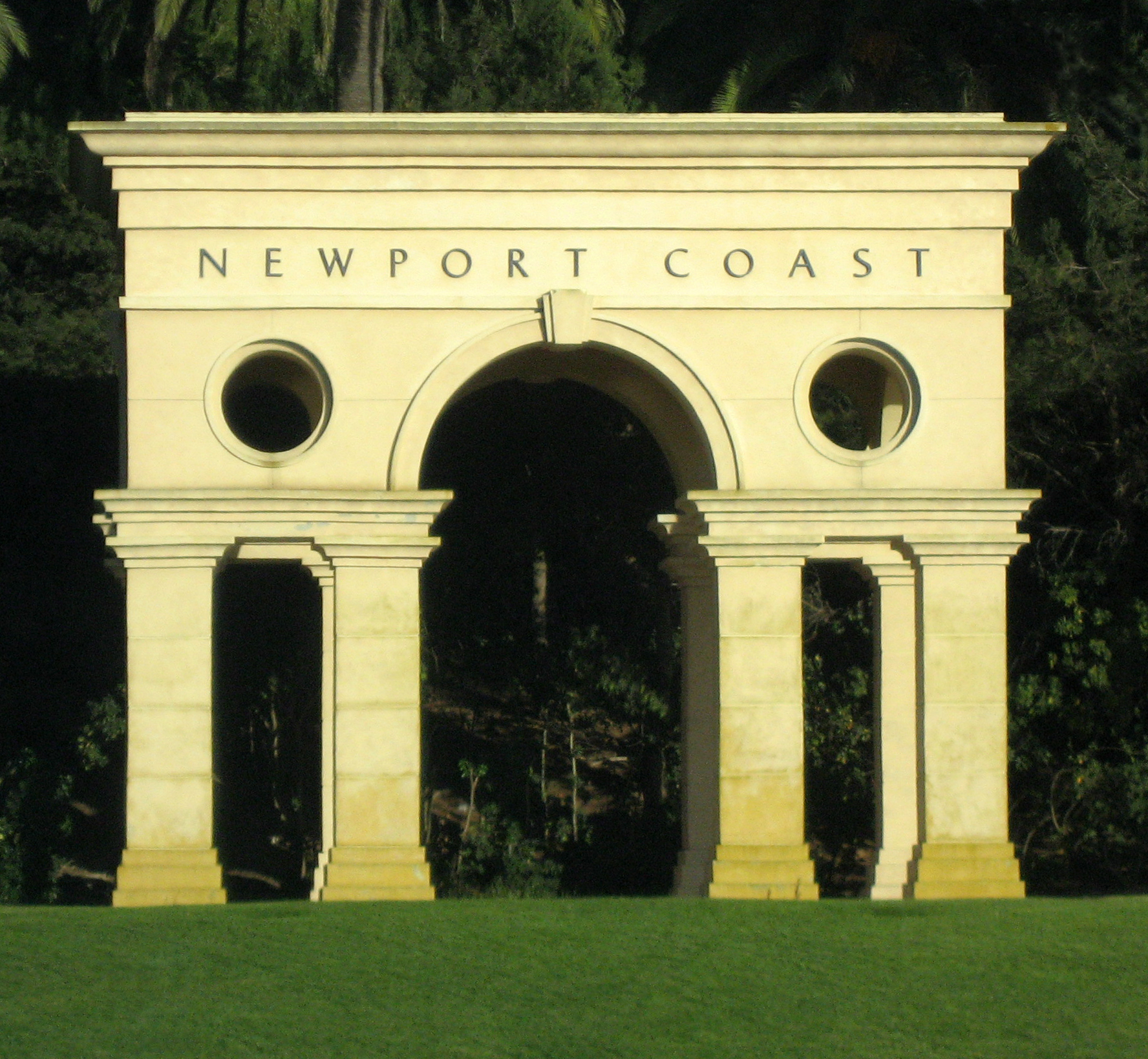
The Newport Coast entrance archJonnyboyca · Public domain · cropped
Ask how the marketing will communicate the floor plan, scale, light, outdoor space and relationship to the neighborhood. Photography and film should let a buyer inspect the home’s qualities—not simply create atmosphere. Confirm that floor plans and measurements will be handled appropriately.
Discuss property preparation, showing logistics and the reporting you will receive. A useful update tells you what happened, what buyers questioned and whether the response supports the current strategy. Views and impressions alone do not establish purchase intent.
Know who owns the negotiation
Before signing, clarify who will advise you on offers and who will be present when terms change. Price is one part of an offer; financing, contingencies, timing and other conditions may affect the certainty and usefulness of the result. Legal and tax questions belong with your qualified advisers.
Ask how the agent approaches inspection findings, requests for credits and appraisal questions. Request examples of their reasoning rather than promises of a higher sale price. No representative can guarantee the market’s response to your home.
What makes Corona del Mar custom homes different
Many Corona del Mar homes sit on lots that were originally sized for beach cottages. As those cottages have been replaced, owners have built custom homes that make careful use of limited space, height limits and setbacks. The result is a market where two homes on the same block can be very different in design, quality and age.
Buyers in Corona del Mar also tend to weigh location within the community heavily. The walk to the beach, proximity to the village on Pacific Coast Highway, views from upper floors and whether a home is inside an association can all shape what a buyer is willing to pay.
For a seller, that means a listing agent has to explain both the house and its place in the neighborhood. A home’s design story is only part of the picture.
Preparing the home before photos
Custom homes often benefit from careful preparation more than dramatic changes. Fresh exterior paint touch-ups, cleaned windows, serviced landscaping and repaired small defects can help buyers focus on the design instead of the to-do list.
In a coastal climate, salt air can be hard on hardware, railings, window frames and exterior finishes. Addressing visible corrosion or wear before marketing can prevent it from becoming a negotiating point later.
Talk with your agent about whether pre-listing inspections make sense for your home. They can reveal issues early, give you time to decide how to handle them, and make disclosure more straightforward. Any findings should be handled with your advisers.
- Exterior touch-ups and window cleaning before photography.
- Landscaping serviced and outdoor living spaces staged.
- Visible salt-air wear on metalwork and hardware addressed.
- A decision on pre-listing inspections made with your agent.
Telling the design story accurately
Buyers of custom homes often want to know who designed and built the house, which materials were used and why certain choices were made. A clear, accurate design story can help a buyer see value that photos alone may not show.
Gather the information you have: the architect and builder names, the year of completion, major systems, notable materials and any remodels. Only publish attributions that are documented and appropriate to share.
Avoid overstating. Words like “fully permitted” or “architect-designed” should be supported by records. Buyers and their agents will check, and accurate descriptions build trust during negotiations.
Permits, coastal rules and buyer due diligence
Much of Corona del Mar lies within California’s coastal zone, and many projects there go through Newport Beach planning review and coastal development permitting. Buyers of custom homes often review permit history closely, especially when a home has been significantly remodeled or expanded.
Before listing, it helps to understand what your records show. If there are gaps or unpermitted work, discuss them with your agent and appropriate professionals early so they can be disclosed properly and addressed in a way that fits your goals.
Your agent is not the right person to give legal opinions about permits or zoning, but a good agent will know when to recommend a qualified expert and how to present the information clearly to buyers.
Pricing when comparable sales are thin
Distinctive custom homes can be difficult to price because few recent sales are truly similar. When comparables are limited, the pricing discussion should widen carefully: nearby sales with different features, homes of similar quality in other parts of the coast, and current competing listings can all inform the picture.
A good agent will explain which comparisons are strongest, which are weaker and why. They will give you a supported range rather than a single number presented with false precision.
It is also worth discussing how the market might respond to the home’s most unusual features. Some buyers will pay more for a distinctive design, while others may see it as a renovation project. Understanding that range helps you plan.
Showings, privacy and security
Custom homes often contain art, personal collections and valuables, and many sellers value privacy. Discuss how showings will be scheduled, who may attend, whether buyers will be pre-qualified and how open houses, if any, will be managed.
Some sellers prefer limited or private marketing before a full public launch. That can protect privacy but may reduce exposure. Ask your agent to explain the trade-offs clearly so you can decide what fits your situation.
Practical steps—removing personal documents, securing valuables and sharing access instructions only with approved agents—help showings run smoothly and safely.
From offer to closing
Once an offer arrives, the details matter. Financing type, deposit amount, contingency periods, closing date and any rent-back or lease-back request can all affect how strong an offer really is.
During escrow, inspections, appraisal and buyer requests may change the conversation. A listing agent should keep you informed, explain your options and help you respond calmly. Legal, tax and financial questions should go to your qualified advisers.
A smooth closing usually reflects good preparation at the beginning: accurate disclosures, organized records and clear expectations between you and your agent.
- Compare offers on terms, not just price.
- Understand each contingency period and its deadline.
- Plan your move timing, including any rent-back request.
- Keep your advisers involved for legal and tax questions.
Bring your home and your priorities to the conversation
Michael Mena, Douglas Elliman, California DRE #01948813, focuses on Corona del Mar alongside Newport Beach and Newport Coast. He reports more than $250 million in career sales volume and over 13 years of experience; these owner-supplied career figures are not independently audited on this site.
Start with the address, your intended timeline and what matters most to you. A useful first discussion identifies the evidence needed for a pricing opinion, the preparation questions worth resolving and the decisions that remain yours to make.